ONE PERSON,
THE WHOLE CAMPAIGN
The profile
Overview
From Shanghai skyscrapers to Newfoundland shores: a storyteller in transformation
I left corporate law in Shanghai for the one thing that kept pulling me back: the human story. Newfoundland is where I learned to chase it. Through my MA in Applied Literary Arts at Memorial University, I worked inside the island's folklore and oral traditions, hosting poetry workshops in rural coastal towns, learning the culture and customs that hold those communities together, and writing my thesis on LLM-driven narrative for virtual reality. Different mediums, one mission: to find the story, and bring it to life.
I listen, then I build.
Approach
A story-first workflow,
directed
end to end
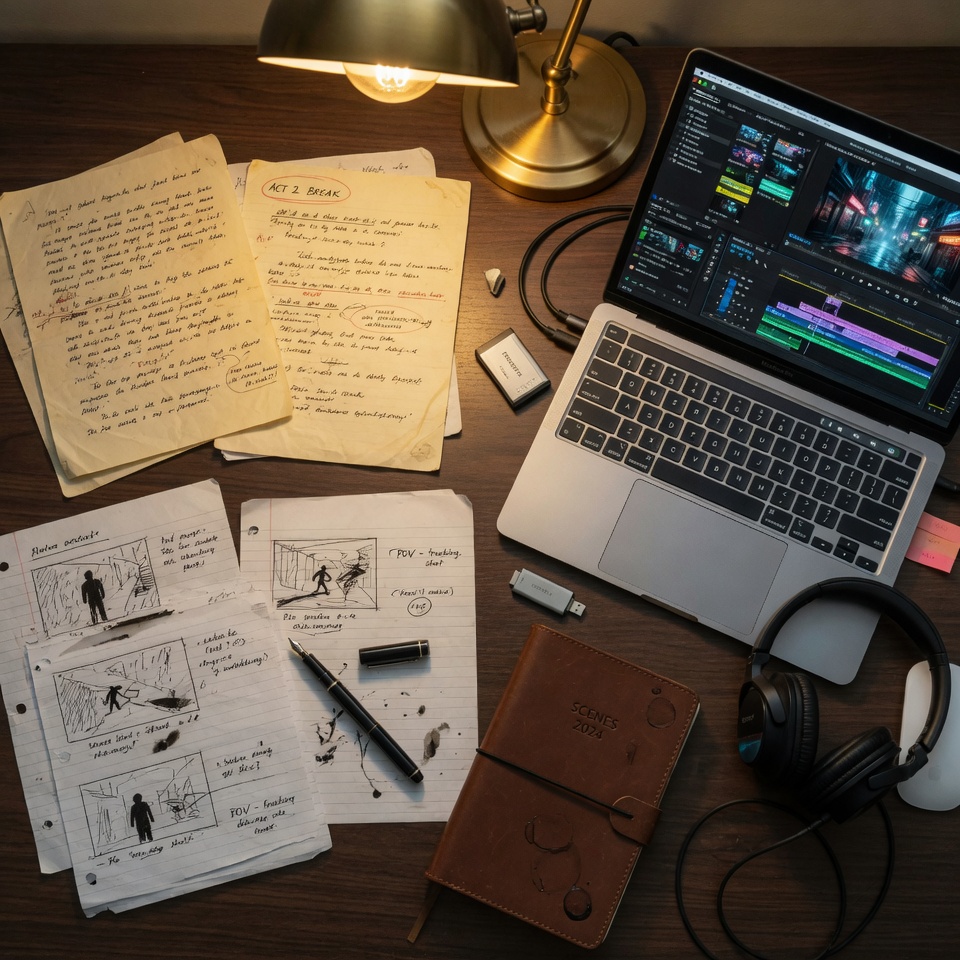
Scroll any feed today and you'll meet two audiences: one that can't stop watching AI content, and one that rejects anything machine-touched on sight. Both reactions point to the same truth: AI is powerful at generating ideas, and weak at delivering them. I work the other way around. Instead of letting AI author the story, I direct it. AI is the crew and the camera department, staging scenes that would otherwise need a soundstage and a budget, while the narrative, the cuts, and the taste stay mine.
In Practice
Every piece begins the same way, with a brief, a character, or a question worth answering. That part stays human: I shape the narrative through writing, research, and scripting, then pressure-test it against audience, psychology, and brand fit. Only once the story is locked does AI enter the pipeline: Claude for long-form drafting, Gemini Nano Banana for visual language, and ElevenLabs for voice and performance. Everything is assembled, graded, and paced in DaVinci Resolve Studio. A few of those stories follow.
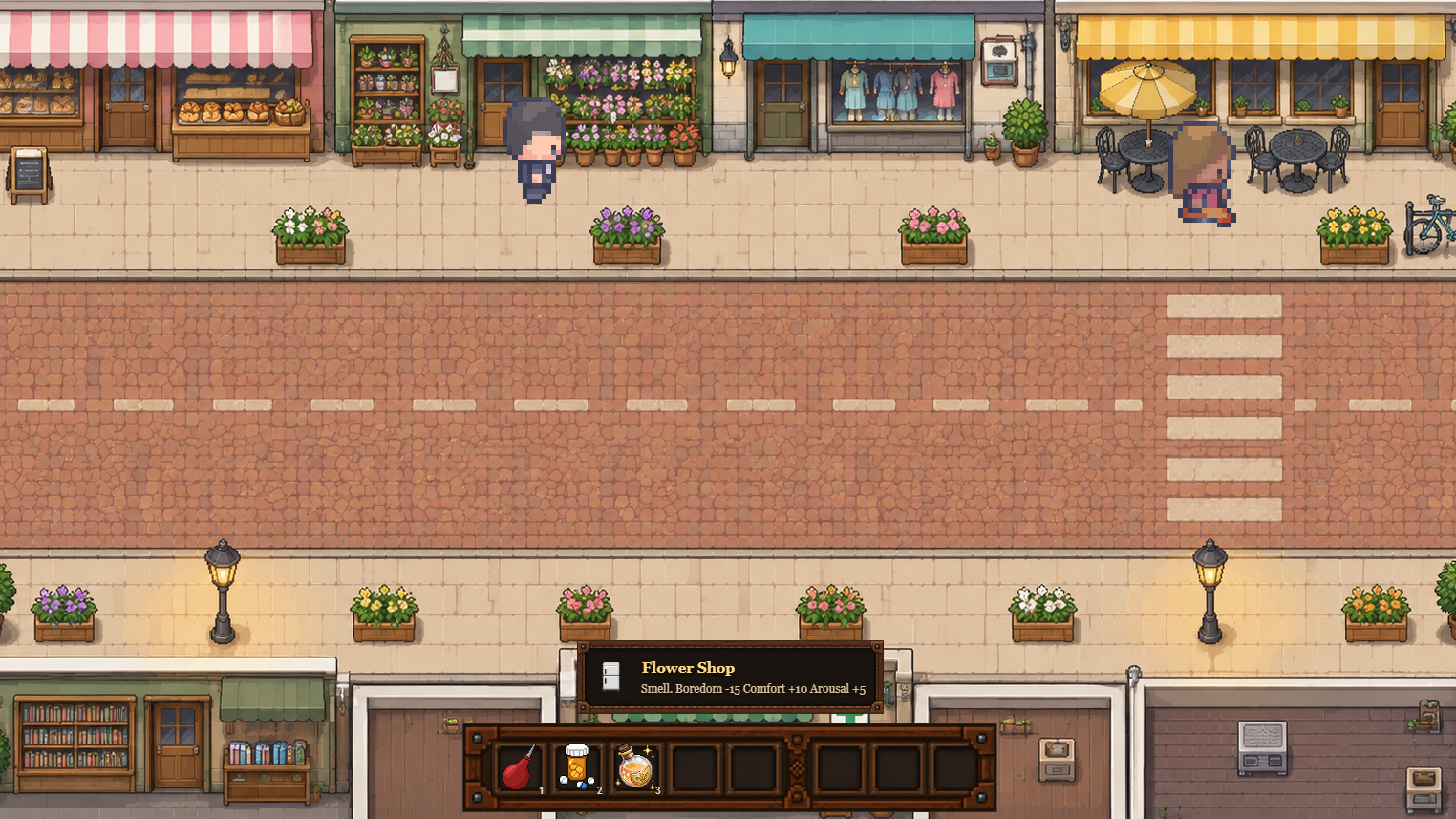
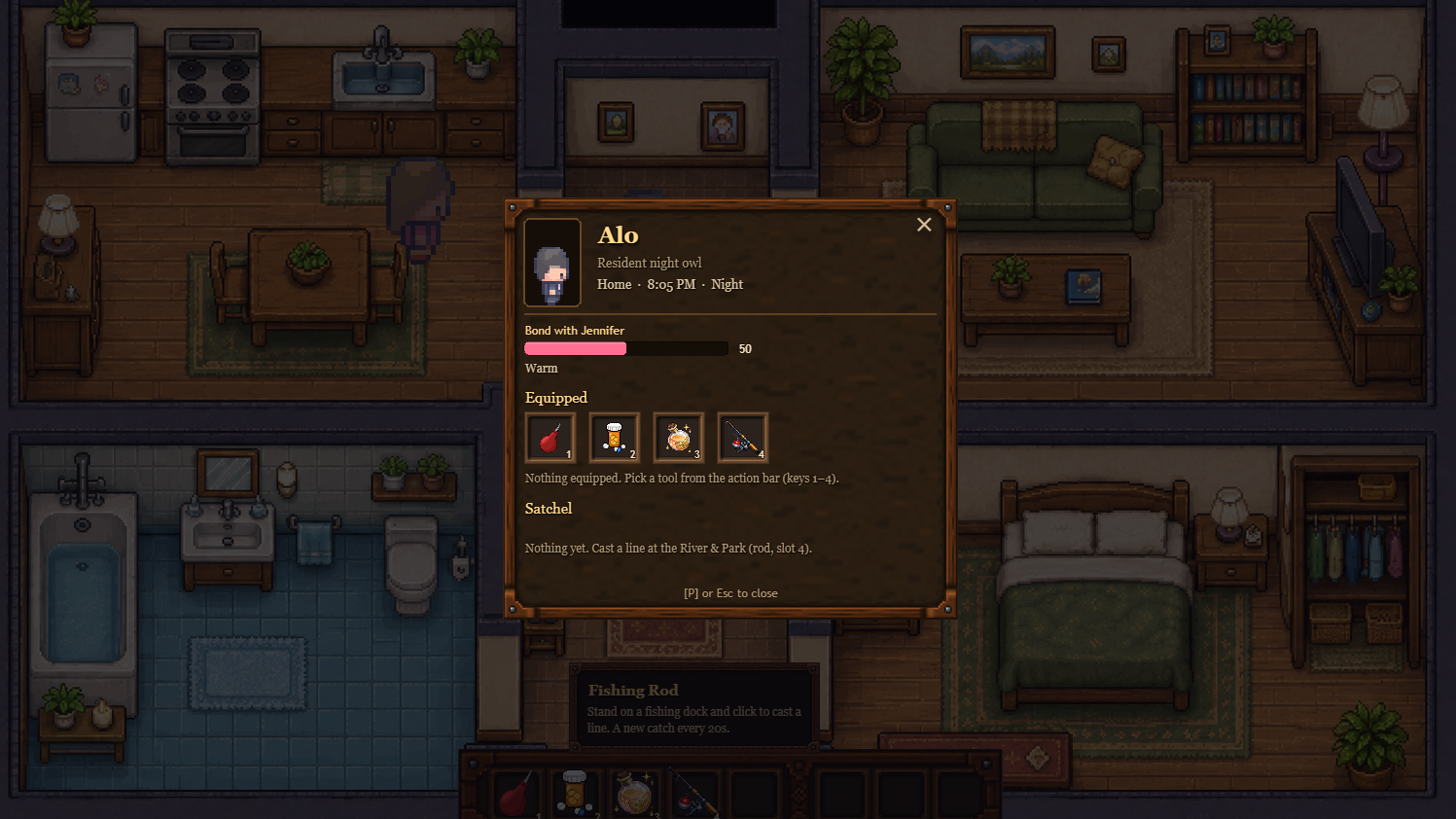
A Game That Thinks
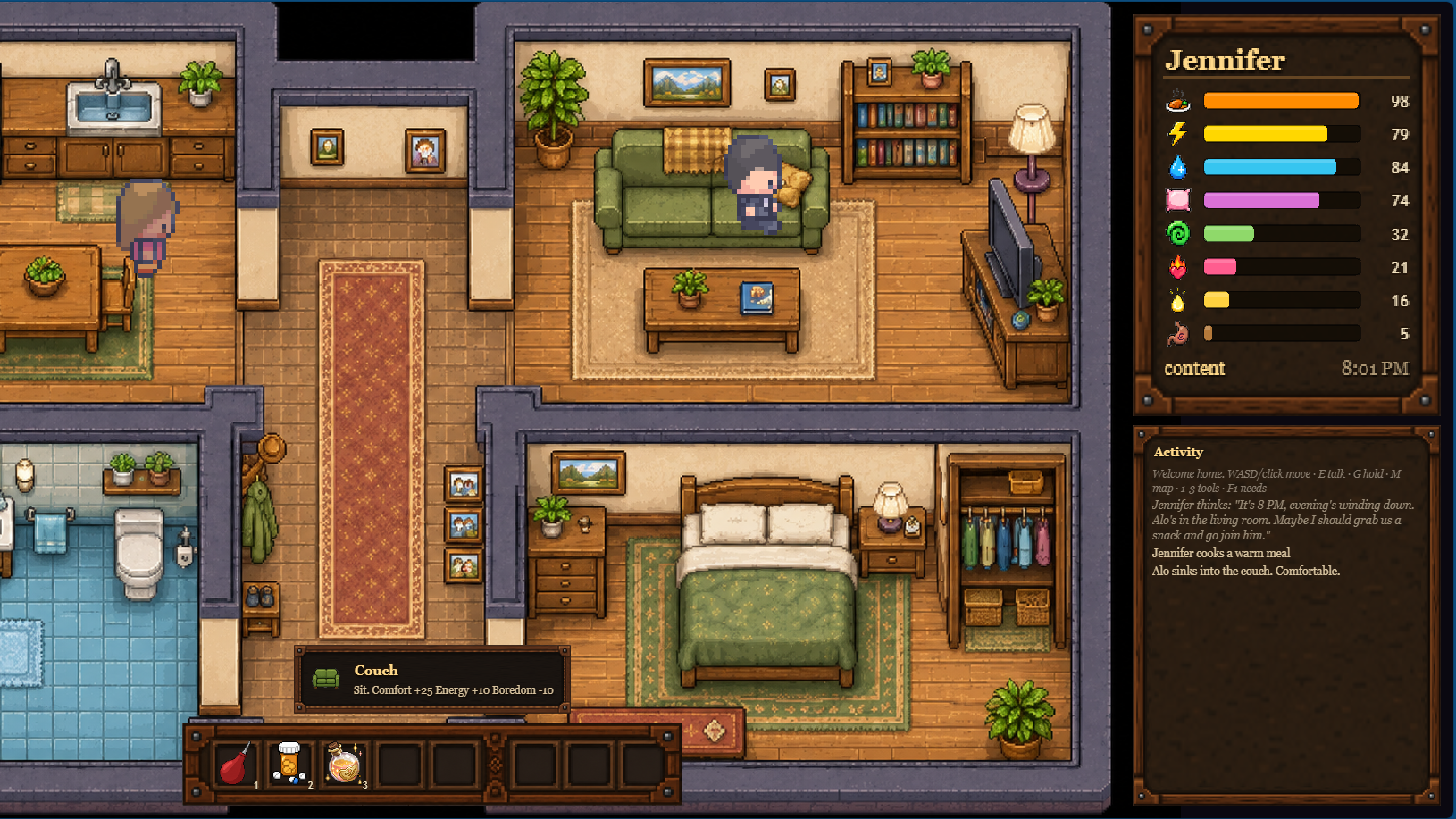
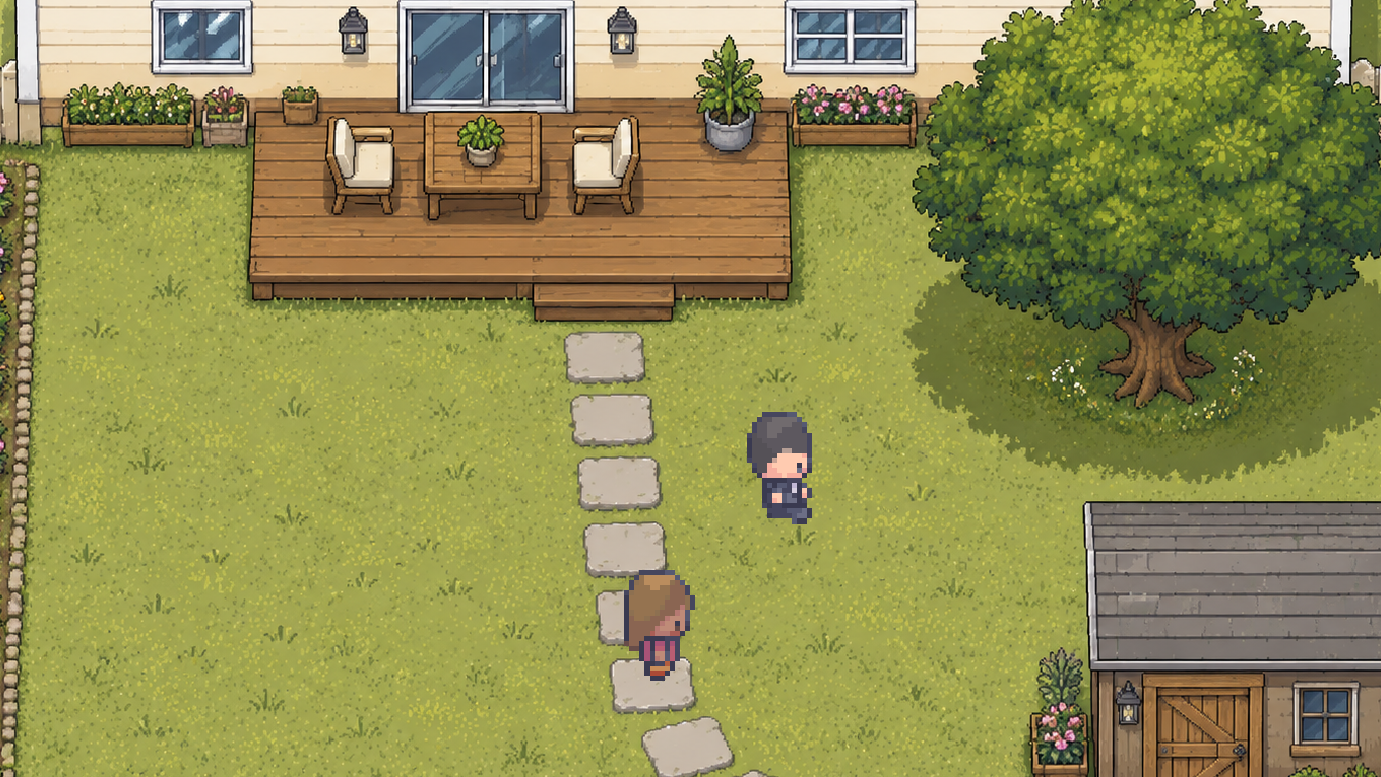
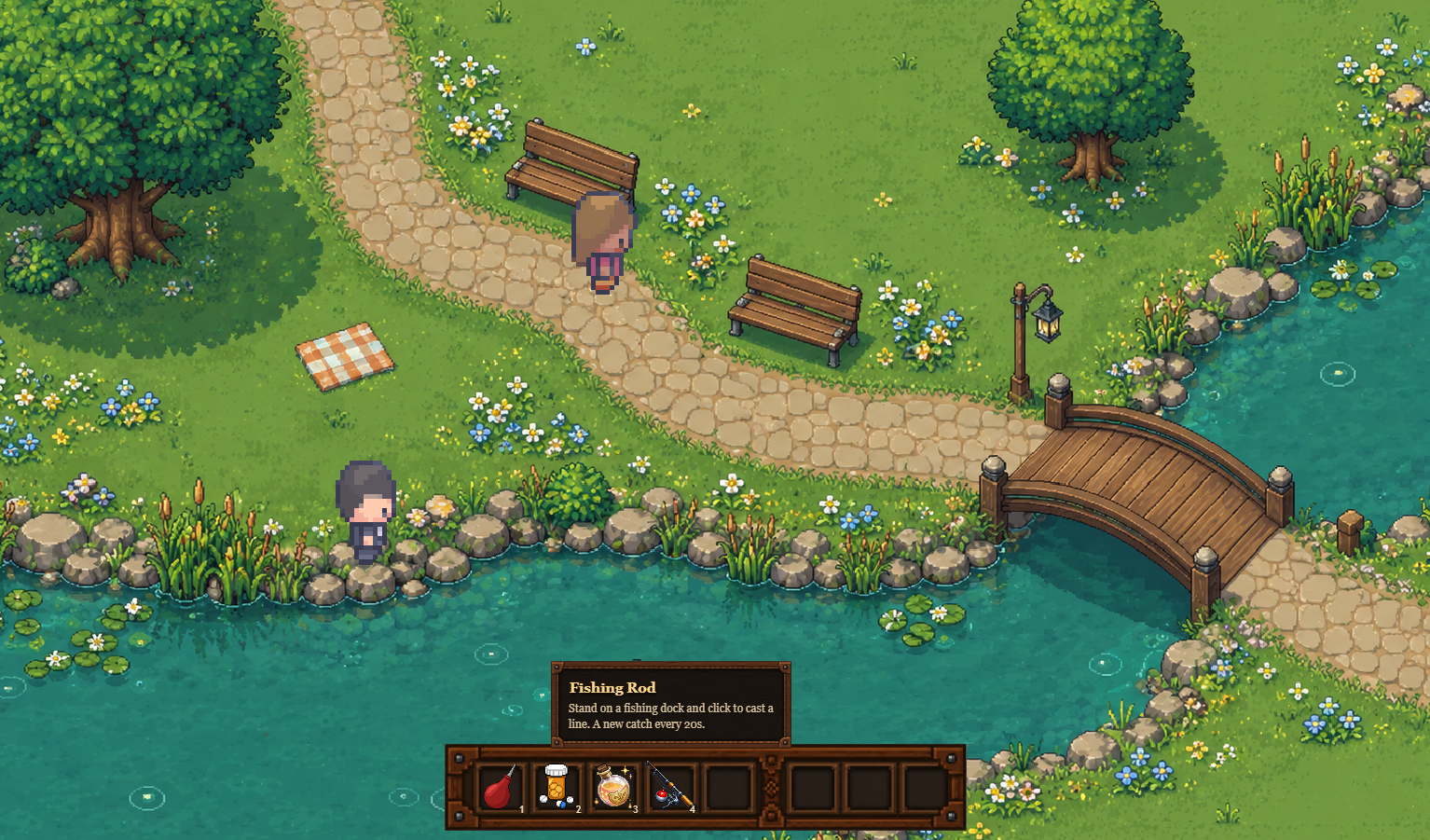
The screens above are from Late Night Home, a companion game I designed and built end to end. Its heart is an autonomous character whose mind is a large language model: instead of choosing from menus, Claude reasons over her needs, memory, and surroundings, then calls tools that make her pathfind across the house, speak in the moment, and act on what she wants. I owned both sides, the narrative design and the full-stack engineering, a Phaser and TypeScript game wired to a Node service that holds the AI brain. The instinct is the same one behind the films: story first, with the technology kept in service of a world that feels alive.
Thinking in Frames
The video above is a romantic music video. The hard part wasn’t any single shot, it was how one shot moved into the next. AI tends to lose continuity between cuts, and in a love song even small breaks read as wrong. So I approached it like animation: every gaze, gesture, and beat blocked out before anything rendered. AI video is closer to traditional animation than prompt engineering, and animation is familiar territory.
Let's begin.
Marketing coordinator in Halifax. Campaign copy, video production, social channels, and the reporting that shows what worked.